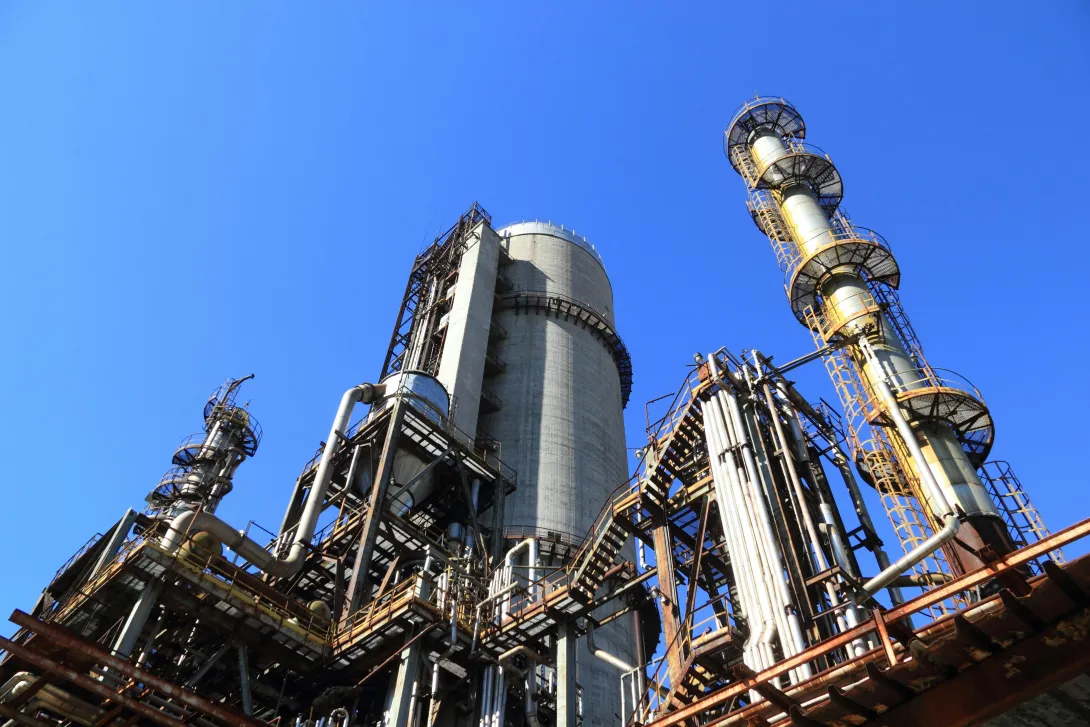
Safe and efficient production of plastic and chemical products requires a stable manufacturing environment. A humidity control system equipped with ProFlute desiccant rotors helps maintain this stability throughout the year, enhancing product quality and safety while maximizing output and reducing unplanned downtime.
Excessive moisture in the air can negatively impact both plastic and chemical manufacturing processes. In plastic production, high humidity can lead to material agglomeration, surface defects, or hydrolysis in certain polymers. In chemical operations, moisture often results in caking, clumping, or unintended reactions—causing delays, reduced product quality, and lower overall efficiency. Moisture also introduces safety risks: electrical equipment operating in humid conditions is susceptible to corrosion and loss of insulation resistance, increasing the risk of short circuits.
Many processes in the plastics, chemical, and bulk fertilizer industries generate high-temperature airflows that affect humidity levels. Even with sophisticated air conditioning, maintaining stable humidity during summer remains an operational challenge.
A humidity control system effectively manages the production environment, preventing condesation year-round. This ensures consistent product quality, higher throughput, and fewer unplanned interruptions—delivering measurable time and cost savings.